
EMC shielding plays a key role in determining whether enclosures, assemblies, and electronic components operate reliably or experience a loss of performance due to interference. E.S. Electronic Service is your partner when you’re looking for the right solutions for a variety of requirements—from gaskets and conductive coatings to films and adhesives.



Other products
- Shielded air outlets/honeycomb vents (Vent Panels) in various configurations, sizes, and performance characteristics
- Shielded windows and shielding films in various configurations, sizes, and performance characteristics
- Cable Shielding/Ferrite Cores
- Laminates and insulated grounding strips
What EMC Shielding Does in Practice
EMC shielding is more than just a peripheral consideration in design. It protects assemblies, enclosures, and interfaces from electromagnetic interference, reduces unwanted coupling, and helps ensure that signals, measured values, and control functions remain stable. This is precisely why EMC protection is an integral part of the product decision-making process for development and testing departments, research and development, and technical buyers.
In practice, this involves several aspects at once: appropriate EMC shielding within the enclosure, conductive connections between components, and materials that are mechanically compatible with the design. EMC shielding for enclosures must therefore not only be electrically effective but also structurally robust. Depending on the application, different types of EMC shielding are used: soft and compressible, dimensionally stable, adhesive, or as a coating. The appropriate solution must always be tailored to the installation space, the assembly process, and the environmental conditions.
EMC Shielding at a Glance – The Right Solutions for Different Requirements
To help you narrow down the right solution more quickly, it’s worth taking a look at the main product groups. The following EMC solutions address typical requirements in enclosures, interfaces, and assemblies.
Electrically Conductive Elastomer Seals
These solutions combine EMC protection and sealing in a single component. Electrically conductive elastomer seals are particularly useful for housings, covers, and interfaces when a conductive connection is required and environmental factors must be taken into account at the same time.
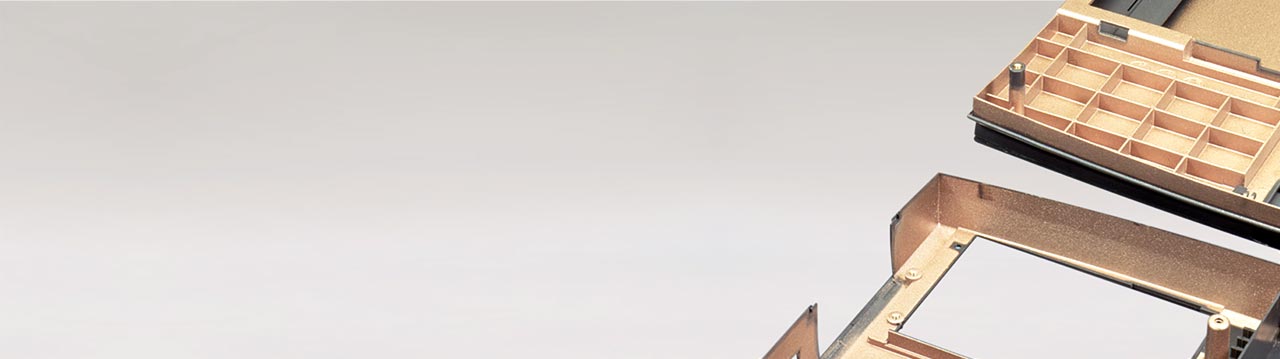
Conductive Coatings for Enclosures and Assemblies
For enclosures and assemblies, conductive coatings create a conductive layer on surfaces and are particularly useful when enclosures or assemblies need to be optimized for EMC. They can be flexibly integrated into existing design and manufacturing processes.
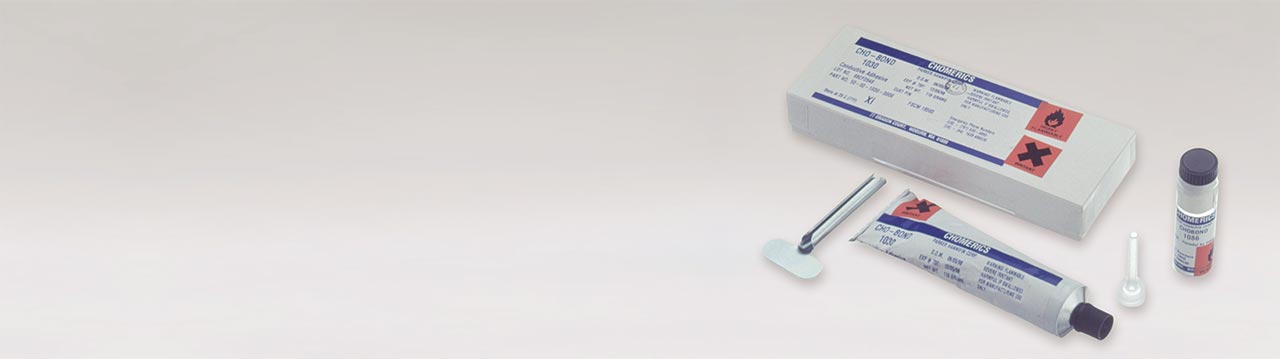
Electrically Conductive Adhesives and Sealants
For critical junctions, electrically conductive adhesives and sealants permanently bond components while also serving an EMC function. They are used wherever conductive junctions are required at seams, windows, ventilation openings, or other critical contact points.
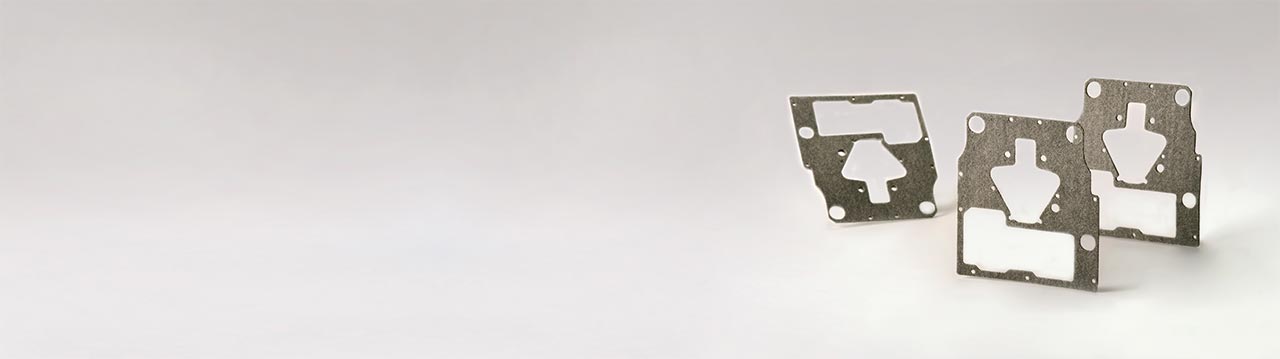
Electrically Conductive Foam Gaskets
As a cost-effective solution, electrically conductive foam gaskets are particularly attractive for many electronic systems. They adapt well to tolerances and are suitable for applications in which sealing, compression, and shielding must work together.
Pola Seals for Shielding and Environmental Sealing
When environmental sealing is required in addition to shielding, Pola gaskets combine conductive properties with additional protection against external influences. This makes them an attractive option when sensitive electronics need to be protected not only from interference but also from moisture, dust, or dirt.
Films for Flexible EMC Shielding
Films are well-suited for flexible shielding solutions, such as for cables, surfaces, or enclosures. They are particularly useful in applications where low weight, adaptability, and cost-effective implementation of EMC shielding are required.
Split Seals Customized to Your Specifications
When standard shapes are not sufficient, custom-designed spliced gaskets offer a practical custom solution. They demonstrate how EMC shielding can be tailored to specific geometries, installation scenarios, and project-specific requirements.
Materials, Designs, and Selection Criteria for EMC Shielding
The choice of material for EMC shielding always depends on the design. Effective EMC shielding is not achieved by a single product, but rather through the interplay of material, geometry, compression, and installation. Therefore, it is important to consider the selection not only from an electrical perspective but also from a design perspective.
Three questions are particularly helpful in making this decision:
- What type of surface is it? Conductive coatings, films, or conductive sealing solutions are often used for plastic enclosures. EMC shielding for plastic enclosures follows different rules than EMC shielding for aluminum enclosures.
- How large are tolerances and clearance dimensions? Soft sealing solutions react differently than dimensionally stable products. This is important if EMC enclosure shielding is to function even under vibration or frequent opening.
- What are the environmental conditions? Moisture, mechanical stress, chemical exposure, or long operating times can significantly influence the choice of material.
The more clearly these points are described, the easier it is to select EMC shielding that performs well not only in the lab but also in actual use.
When EMC Shielding Becomes a Critical Factor
EMC shielding is relevant in many industries, but the requirements vary significantly. Automotive projects require different margins than medical technology, and defense applications require different types of verification than industrial electronics.
Typical applications include:
- Automotive: Control units, sensors, and compact housings with high integration density.
- Aerospace and Defense: Rugged Solutions for Sensitive Electronics and Demanding Environments.
- Medical Technology: Consistent signal and device performance in sensitive applications.
- Maritime Applications: Ruggedized Solutions for Electronics in Demanding Environments.
- Industrial Electronics and Data Centers: Cost-effective solutions for enclosures, interfaces, and technology that’s always available.
- Measurement Technology: Consistent results across laboratories, analytical instruments, and test environments.
This highlights the importance of EMC shielding in practice: It supports electromagnetic compatibility in situations where interference is not only annoying but also critical to functionality, safety, or measurement results.
From standard sizes to custom solutions—how E.S. Electronic Service can help
E.S. Electronic Service combines a broad product portfolio with technical consulting. On its website, the company highlights its decades of experience, expert service, custom-designed products, and high stock availability for many standard sizes. This is particularly relevant if you’re not just looking for a product, but for EMC shielding that fits your specific setup.
For engineering departments and technical buyers, this is precisely the added value: Instead of a haphazard selection of products, they gain organized access to materials, designs, and custom solutions. This makes E.S. Electronic Service GmbH an attractive option even in situations where an idea needs to be quickly turned into a testable prototype.
Get advice now—find the right EMC shielding for your application
Would you like to narrow down the right EMC shielding for your application? Then contact us to discuss the design, requirements, and suitable material classes. This will help you determine early on which solution is the best fit for your project, both in terms of design and cost-effectiveness.
Frequently Asked Questions About EMC Shielding
The following answers provide a quick overview of typical fundamental questions that frequently arise during the selection, design, and material selection processes.
What does EMC shielding mean?
EMC shielding refers to measures and materials that reduce or specifically limit electromagnetic interference. The goal is to ensure that electronic devices operate reliably and that signals, functions, or measured values are not affected by unwanted coupling.
How does EMC shielding work?
EMC shielding works through the use of conductive materials, defined contact surfaces, and an appropriate design. This allows fields to be shielded, transitions to be connected conductively, and interference to be reduced. The appropriate solution depends on the design and the application.
What material is suitable for EMC shielding?
The appropriate material depends on the housing material, tolerances, environmental conditions, and assembly process. For some applications, gaskets are the best choice; for others, conductive coatings, films, or adhesives. The key is that the material and design are compatible.

Partner of: